The paralegal code
Cracking global IP efficiency
Lorem ipsum dolor sit amet, consectetur adipiscing elit, sed do eiusmod tempor incididunt ut labore et dolore magna aliqua. Ut enim ad minim veniam, quis nostrud exercitation ullamco laboris nisi ut aliquip


This is a single article from the Patent Strategist Volume 1. Download the whole thing here.
In the world of intellectual property, precision is everything. Deadlines, filings, signatures, certifications, cross border rules, the smallest detail can make or break a case. Behind the scenes, paralegals are the silent engines ensuring that global patent portfolios run smoothly.
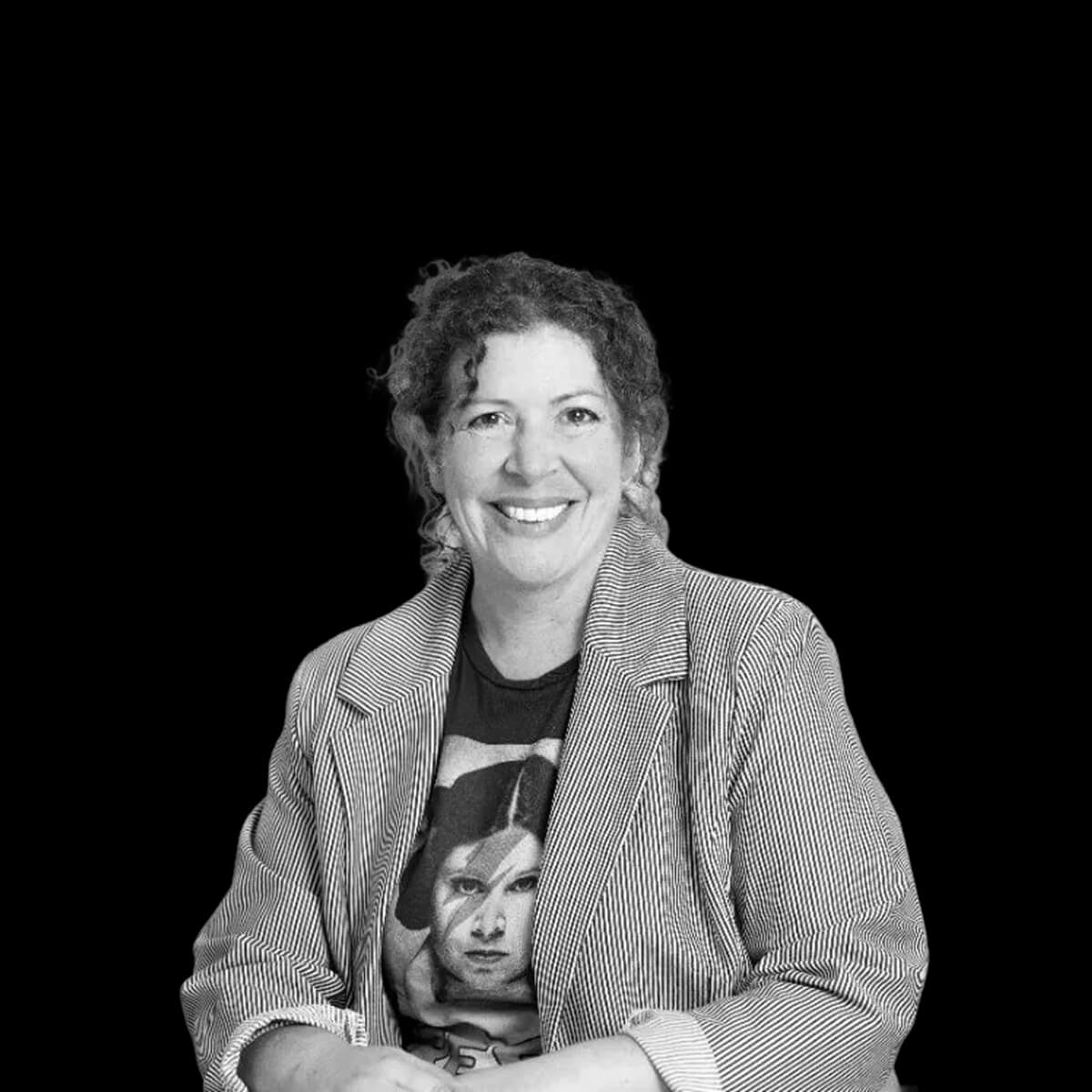
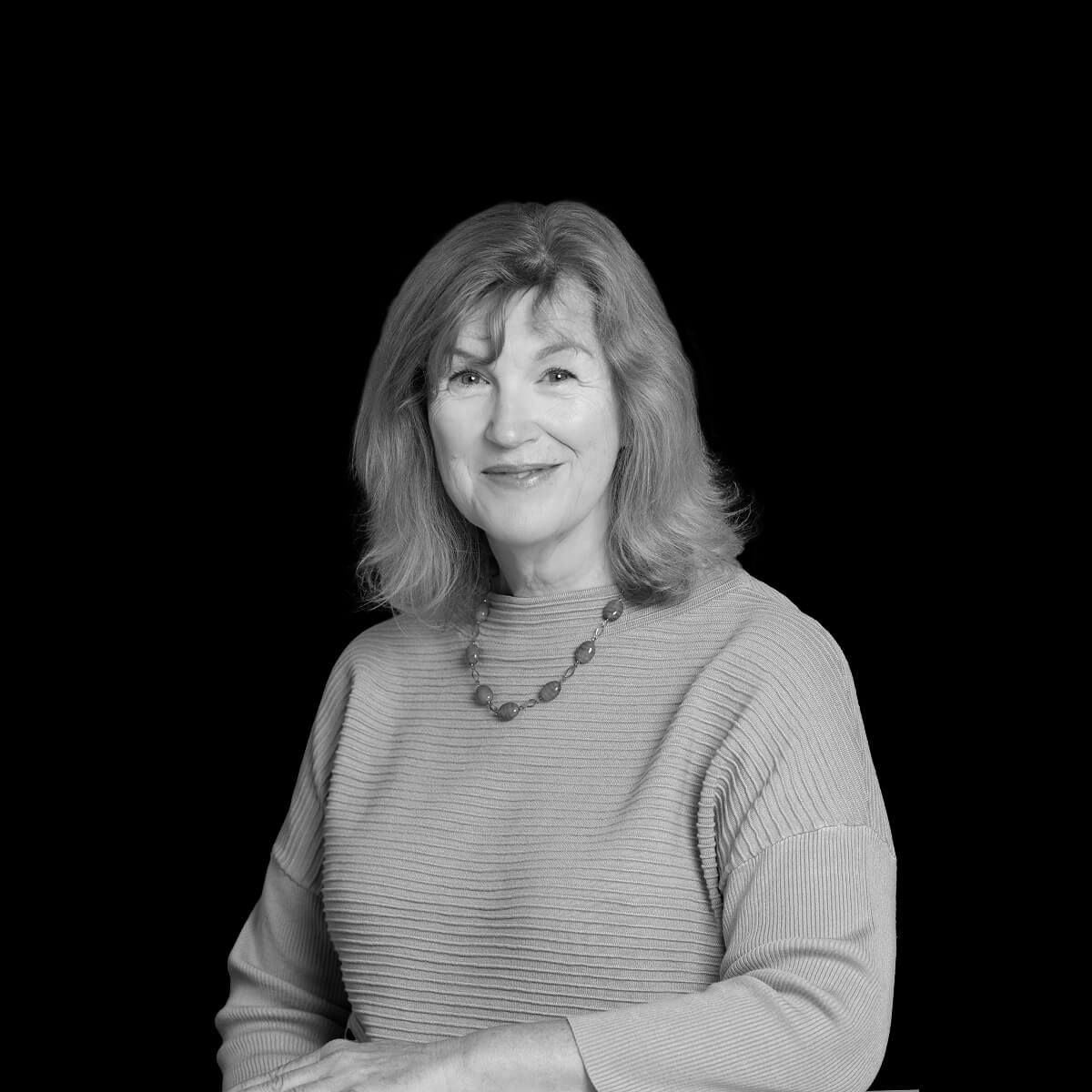
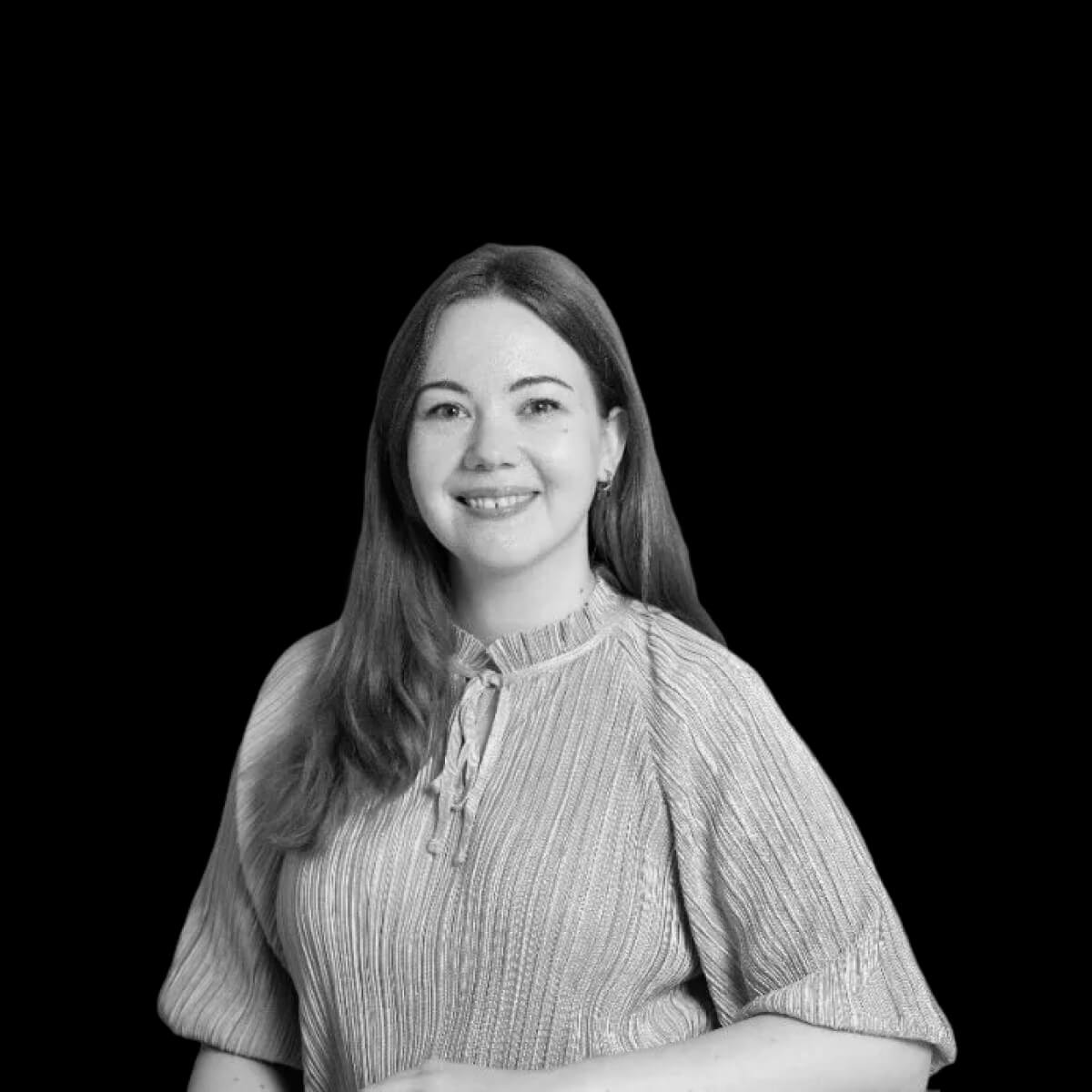
In a recent EIP Talks podcast episode, we sat down with international paralegals, Lucie Jones (UK), LD Gentry (US), Sarah Devereux (UK), and Sofia Jernberg (Sweden) to explore how their roles have evolved and why their contribution has become indispensable.
From accidental beginnings to leading roles
Many paralegals stumble into the profession by chance but stay for life. Lucie Jones, now Head of Client Services at EIP, began her career in France after completing a degree in Art History. What was meant to be a temporary job to fund her passion for backpacking became the launchpad for an international journey, taking her to Japan, New Zealand, and eventually to London.
Sofia Jernberg shares a similar path. With a background in Japanese Studies and anthropology, and after spending time living in Japan, she sought temporary work during the pandemic, only to fall in love with the structure, challenge, and global nature of paralegal work.
“I realised I could do this anywhere in the world,” says Lucie. “And that’s exactly what I did.”
The modern paralegal: No longer behind the scenes
The role has changed dramatically. LD, who has almost 40 years in the field, recalls a time when paralegals were purely administrative:
“I was a legal secretary, just directed by attorneys. Now? We initiate work. We prepare the groundwork. And clients often come to us first.”
Today, paralegals aren’t simply document handlers, they’re strategic partners.
Sarah adds:
“We’re joining client meetings, listening to strategy, answering formalities questions… and clients appreciate having a direct line.”
What once was rigidly attorney-led has become a collaborative, dual expert model.
Certification: A new era of professional recognition
Training has modernised too. Sofia and Lucie both completed the European Patent Administrator Certification (EPAC), a landmark shift in formal recognition of paralegal knowledge.
“There’s a before and after EPAC,” Sofia says. “The confidence it gives you, the way you learn to navigate legal texts… it transforms how you work.”
In the UK, CIPA’s longstanding certification and the newer Advanced Patent Paralegal Course offer further professional pathways.
What paralegals can do today that they couldn’t before
From managing formalities objections to independently handling communication with foreign attorneys, the scope has expanded.
Examples include:
• Responding to EPO or UKIPO administrative communications with minimal attorney involvement
• Handling assignments, formalities, disclosure requirements
• Managing deadlines and client timelines
• Preparing substantive filing packages and coordinating foreign filings
LD explains:
“We can prepare everything except the substantive arguments. That saves clients significant time and money.”
Sarah highlights the small administrative decisions that prevent major costs later:
“A name change handled before national phase can save a client thousands.”
Formalities: The unsung hero of portfolio management
While often perceived as dry, formalities work is the backbone of IP success. Sofia recounts catching a missing power of attorney when EIP took over a case, a small formality that would have created delays and costs if spotted too late.
LD shares a US example: missing inventor declarations during prosecution can lead to an unintended abandonment. Knowing these nuances prevents disaster.
“Paralegals save the day every day.”
International collaboration: Knowledge without borders
With EIP teams in the UK, US, and Sweden, collaboration is key. The team frequently taps into colleagues across borders to compare procedures, clarify nuances, and align processes.
Sofia notes her gratitude:
“When I’m unsure, I can just call someone in the US or UK. Complex things suddenly become simple.”
LD adds that the exchange has reshaped her decades long practice:
“I’ve adopted UK methods. Exposure to new ways of thinking keeps me engaged.”
Client care: Precision, communication, and approachability
What makes paralegal-led client care so effective?
• Listening to client needs
• Documenting requirements clearly and sharing across teams
• Maintaining detail driven internal processes driven internal processes
• Being approachable and unintimidating to clients
Clients often turn to paralegals first because, as the team notes, “there are no dumb questions.”
Sofia’s secondment to a client’s in-house team revealed how much small habits (like file naming) affect workflow.
“Understanding their daily pain points changed how I communicate. That’s what good client care looks like.”
Breaking down cultural barriers
Working across Sweden, the UK, the US, and Japan brings cultural insight. Sofia’s experience living and working in Japan helped shape her global communication style:
“It teaches you not to assume anything is common sense.”
LD, meanwhile, has adopted UK expressions—“crack on” and “pop off somewhere”—and integrated UK practices into her US workflow.
These cultural exchanges don’t just shape individuals, they shape how paralegals serve clients globally.
Conclusion: The backbone of patent practice
From managing deadlines to navigating cross-national bureaucracies, paralegals are the quiet guardians of patent portfolios.
Their work ensures:
• filings are accurate
• deadlines are met
• clients feel supported
• portfolios stay robust
• attorneys can focus on strategy
And through international collaboration and advancing professional recognition, their role is more respected, and essential, than ever.